Top Beginner Workout Tips for Effective Fitness Journeys
Embarking on a new fitness regimen can feel daunting, but with the right guidance, it becomes an empowering and rewarding experience. Many individuals new to structured exercise seek clear, actionable advice to ensure their efforts are both safe and effective. Understanding the fundamental principles of fitness is crucial for building a sustainable routine. This article outlines the top beginner workout tips, designed to help newcomers navigate the gym environment and establish a solid foundation for long-term health. These strategies focus on preparation, execution, and recovery, ensuring a holistic approach to fitness.

- •Establishing Foundational Fitness: Top Beginner Workout Tips
- ◦Prioritizing Safety and Technique: Top Beginner Workout Tips for Injury Prevention
- •Crafting an Effective Workout Schedule
- ◦Structuring Your Workouts: Essential Elements
- •Nutrition and Hydration: Fueling Your Progress
- ◦The Role of Rest and Recovery
- •Essential Equipment for Beginners
- ◦Integrating Calisthenics: A Smart Start
- •Tracking Progress and Staying Motivated
- ◦Overcoming Challenges and Maintaining Consistency
- •Listening to Your Body: A Crucial Skill
- •Embracing the Journey: Long-Term Perspective
A well-structured start prevents common pitfalls and fosters consistent progress. It is not about immediate intensity but about gradual adaptation and correct form. Our comprehensive guide will delve into essential advice, from setting realistic goals to prioritizing proper nutrition and rest. Adopting these foundational practices can significantly enhance your initial experiences and set the stage for continued improvement. We aim to equip you with the knowledge needed to approach your workouts with confidence and purpose.
Establishing Foundational Fitness: Top Beginner Workout Tips
Starting a fitness journey requires more than just showing up; it demands a thoughtful strategy. Beginners often feel overwhelmed by the sheer volume of information and exercise options available. Focusing on core principles helps simplify this process. Among the top beginner workout tips, setting clear, attainable goals is paramount. Without a defined objective, motivation can wane quickly. Consider what you genuinely want to achieve, whether it is increased strength, improved endurance, or better overall health.

Another critical aspect involves understanding your current physical capabilities. Avoid comparing yourself to others. Your starting point is unique. Gradually increasing intensity and volume minimizes injury risk and promotes steady progress. These thoughtful considerations form the bedrock of any successful fitness program. They ensure that your efforts are channeled effectively.
Prioritizing Safety and Technique: Top Beginner Workout Tips for Injury Prevention

Proper form and technique are non-negotiable for anyone starting an exercise program. Incorrect movements can lead to injuries, derailing your progress and potentially causing long-term issues. Therefore, among the top beginner workout tips, mastering the correct execution of each exercise holds immense importance. This often means starting with lighter weights or bodyweight exercises. Focus solely on movement quality.

Consider seeking guidance from certified fitness professionals. A few sessions with a trainer can provide invaluable feedback. They can correct your form and teach you proper movement patterns. Many gyms offer introductory sessions for new members. Utilizing these resources is a smart investment in your health. Learning proper form from the outset builds a strong foundation. This prevents bad habits from forming.
- Start with Bodyweight Exercises: These build fundamental strength and body awareness. Examples include squats, lunges, push-ups (modified), and planks.
- Watch Instructional Videos: Many reputable sources demonstrate correct exercise techniques. Ensure these sources are credible.
- Use Mirrors: Observe your form during exercises. This helps identify and correct imbalances.
- Listen to Your Body: Pain is a signal to stop. Do not push through sharp discomfort. Adjust the exercise or rest.
- Consider Professional Guidance: A personal trainer can offer personalized feedback. This is especially helpful for complex movements.
Crafting an Effective Workout Schedule
Consistency is a cornerstone of fitness success. Developing a realistic and sustainable workout schedule is among the most impactful of the top beginner workout tips. It is not necessary to train every day. In fact, overtraining can be counterproductive, leading to burnout and injury. Aim for two to three full-body workouts per week initially. This allows adequate time for muscle recovery and growth.

Structure your weekly routine to include rest days. These days are crucial for your body to repair and adapt. Active recovery, such as light walking or stretching, can also be beneficial. A balanced schedule integrates various types of exercise. This prevents monotony and works different muscle groups.
Structuring Your Workouts: Essential Elements
Each workout session should follow a logical progression to maximize effectiveness and minimize risk. This structure includes a warm-up, the main workout, and a cool-down. These components are vital, especially for those seeking the top beginner workout tips. Neglecting any part can diminish results or increase injury potential.

A proper warm-up prepares your muscles and cardiovascular system for activity. It increases blood flow and joint mobility. Dynamic stretches are ideal here. The main workout should focus on compound movements that engage multiple muscle groups. Finally, a cool-down helps your body return to a resting state. Static stretches are excellent for this phase.
| Workout Phase | Duration (Approx.) | Purpose | Example Activities |
|---|---|---|---|
| Warm-up | 5-10 minutes | Prepares body for exercise, increases blood flow and flexibility | Light cardio (jogging), dynamic stretches (arm circles, leg swings) |
| Main Workout | 30-60 minutes | Primary exercise to build strength, endurance, or muscle | Strength training (squats, push-ups), cardio (cycling, brisk walk) |
| Cool-down | 5-10 minutes | Gradually lowers heart rate, improves flexibility, aids recovery | Static stretches (holding a stretch for 20-30 seconds), foam rolling |
Nutrition and Hydration: Fueling Your Progress
Exercise is only one part of the fitness equation. What you consume significantly impacts your energy levels, recovery, and overall results. Among the top beginner workout tips, adequate nutrition and hydration are often underestimated. Your body needs proper fuel to perform and repair itself. Prioritize a balanced diet rich in whole foods.

Focus on lean proteins, complex carbohydrates, and healthy fats. Proteins are essential for muscle repair and growth. Complex carbohydrates provide sustained energy for your workouts. Healthy fats support hormone function and overall health. Understanding nutrition for senior joint health also highlights the broader importance of dietary choices.
Hydration is equally critical. Water plays a vital role in countless bodily functions. It regulates body temperature, lubricates joints, and transports nutrients. Dehydration can impair performance and lead to fatigue. Aim to drink plenty of water throughout the day, especially before, during, and after exercise. A good rule of thumb is to carry a water bottle with you.

The Role of Rest and Recovery
Many beginners focus intensely on workouts, neglecting the crucial aspect of recovery. Yet, proper rest is where your muscles grow stronger and your body adapts. This makes it one of the most vital of the top beginner workout tips. Without sufficient rest, you risk overtraining, injury, and diminished results.
Adequate sleep is fundamental. Aim for 7-9 hours of quality sleep per night. During sleep, your body repairs tissues, consolidates memories, and regulates hormones. Poor sleep can negatively affect your energy, mood, and physical performance. Incorporating active recovery days, such as light walks or gentle stretching, can also aid in reducing muscle soreness and improving blood circulation. Exploring recovery tips for senior calisthenics emphasizes the universal need for thoughtful recovery strategies.

Essential Equipment for Beginners

While many exercises require minimal equipment, having a few basic items can enhance your beginner workout experience. You do not need an expensive home gym to start. Simple tools are often sufficient. For instance, a good pair of athletic shoes is crucial for comfort and support. These protect your feet and joints during various movements.
Resistance bands are incredibly versatile and portable. They offer varied resistance for strength training. A yoga mat provides cushioning for floor exercises. It also improves grip. These items are excellent for home workouts. They also supplement gym routines. Remember, the focus remains on consistency and correct form, not on elaborate gear.

Integrating Calisthenics: A Smart Start
Calisthenics, or bodyweight training, is an excellent entry point for beginners. It requires no special equipment and builds functional strength. Many of the top beginner workout tips advocate for starting with calisthenics. Exercises like squats, lunges, push-ups, and planks are highly effective. They teach fundamental movement patterns.
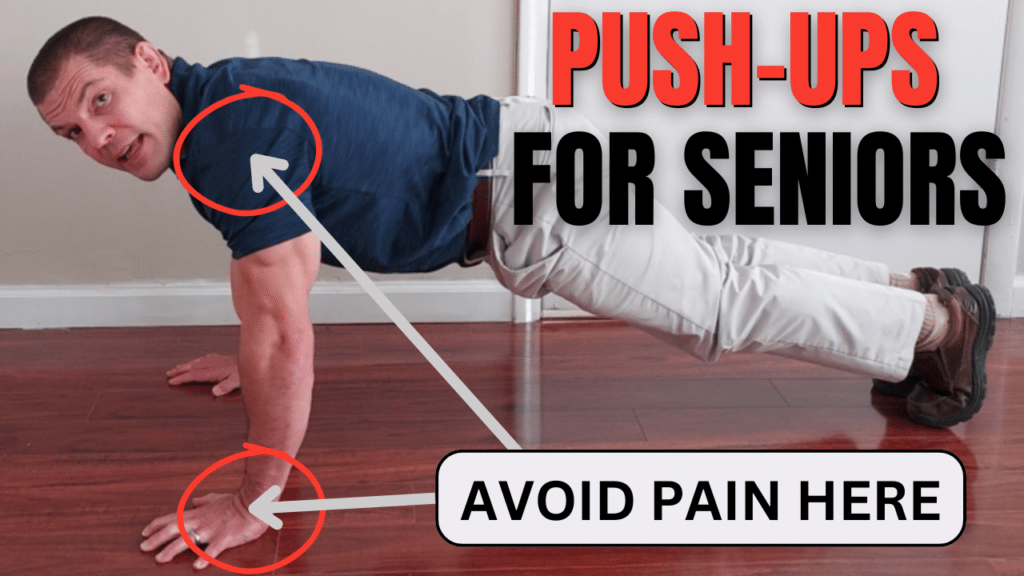
Calisthenics improves body awareness and control. It strengthens core muscles. These exercises can be easily modified to suit different fitness levels. For example, knee push-ups are a great starting point before progressing to standard push-ups. Wall-assisted calisthenics provides another example of accessible modifications. This adaptability makes calisthenics a cornerstone of beginner fitness. It prepares your body for more advanced movements.

- Squats: Excellent for lower body strength. Focus on depth and keeping your chest up.
- Lunges: Improves leg strength and balance. Ensure your knee does not go past your toes.
- Push-ups: Builds upper body and core strength. Start on your knees if needed.
- Planks: Strengthens the entire core. Maintain a straight line from head to heels.
- Glute Bridges: Targets glutes and hamstrings. Lift hips off the floor, squeezing glutes.
Tracking Progress and Staying Motivated
Monitoring your progress is highly motivating. It allows you to see how far you have come. This is a key component of the top beginner workout tips. Keep a workout journal or use a fitness app. Record exercises, sets, repetitions, and weights used. This data helps you make informed decisions about increasing intensity.
Celebrate small victories along the way. Did you complete an extra repetition? Did you maintain consistent workouts for a month? Acknowledge these achievements. Setting new, slightly challenging goals keeps your fitness journey exciting. It also provides a clear direction for your efforts.

Overcoming Challenges and Maintaining Consistency
Every fitness journey will have its ups and downs. It is natural to encounter plateaus or periods of low motivation. The ability to push through these challenges defines long-term success. This resilience is a core aspect of the top beginner workout tips. Remember your initial reasons for starting. Reconnect with those goals.
Consider finding an accountability partner. Training with a friend can provide mutual support and encouragement. Varying your routine can also prevent boredom. Try new exercises or different forms of activity. For instance, incorporating outdoor activities like hiking or cycling can reignite your enthusiasm. Staying flexible and adaptable is key.

Do not be discouraged by setbacks. A missed workout or an indulgent meal does not undo your progress. Simply get back on track with your next session. Consistency over time yields the best results. Focus on the long game. This perspective helps you navigate temporary disruptions. According to the World Health Organization, regular physical activity significantly reduces the risk of non-communicable diseases. This reinforces the importance of maintaining an active lifestyle.
Listening to Your Body: A Crucial Skill
Understanding and responding to your body's signals is perhaps the most important of all top beginner workout tips. Your body communicates its needs through various sensations. Differentiating between muscle fatigue and actual pain is vital. Muscle soreness (DOMS) is common after new exercises. It typically subsides within a day or two. Sharp, persistent pain, however, indicates a potential injury. Learning to listen to your body is a skill that develops over time.
Do not hesitate to take an extra rest day if you feel overly fatigued. Modify exercises if a particular movement causes discomfort. Pushing through pain can lead to serious injury. Consulting a healthcare professional or physical therapist is advisable for any persistent pain. They can provide accurate diagnosis and guidance. Prioritizing your body's well-being ensures longevity in your fitness journey. It allows for safe, sustainable progress.
Embracing the Journey: Long-Term Perspective
Beginning a fitness journey is a commitment to a healthier lifestyle. It is a marathon, not a sprint. The top beginner workout tips provided here are not quick fixes. They are foundational principles for sustained improvement. Celebrate your progress, learn from challenges, and remain consistent. Your dedication will yield significant rewards, improving both your physical and mental well-being.
Remember that every step, no matter how small, contributes to your overall success. Stay curious, stay committed, and most importantly, enjoy the process of becoming stronger, healthier, and more resilient. The path to a fitter you is a continuous adventure, and with these foundational tips, you're well-equipped to thrive.